How to Choose the Right Industrial Cleaning Service for Your Business

Updated: May 29

Choosing an industrial cleaning provider is not a routine purchasing decision. In warehouses, factories, plant rooms, distribution sites, and other demanding environments, cleaning standards affect safety, presentation, compliance, and the reliability of day-to-day operations. The best industrial cleaning experts do far more than arrive with equipment and products. They understand risk, restricted access, production schedules, contamination control, and the discipline required to work around people, machinery, and time-sensitive processes without creating disruption.
Start by defining what your site actually needs
Before you compare proposals, get clear on your own requirements. Many businesses ask for quotes before they have properly identified which areas need attention, how often each task should be completed, and what standards must be maintained. That often leads to uneven pricing, unclear expectations, and disappointment once the contract begins. A strong brief helps you judge whether a provider is listening carefully or simply pricing from assumptions.
Think beyond general appearance. Industrial environments often involve different cleaning needs in different zones, from office-adjacent spaces and welfare areas to production floors, loading bays, storage areas, high-level surfaces, and wash stations. Some require routine cleaning, while others need periodic deep cleaning, specialist methods, or strict controls around chemicals and waste handling.
Map the site: identify all internal and external areas that need cleaning.
Set frequencies: separate daily, weekly, monthly, and periodic tasks.
Note operating constraints: record shift patterns, delivery windows, shutdown periods, and restricted areas.
Highlight risks: include slip hazards, dust build-up, food-safe zones, machinery access, or fragile surfaces.
Define outcomes: decide what “clean” means in practical, observable terms.
The clearer your scope, the easier it is to compare services on quality rather than headline price alone.
What industrial cleaning experts should assess during a site survey
A proper site survey should be detailed, not rushed. Reputable providers, including industrial cleaning experts, will usually ask how the site operates, where the main risks sit, what access controls apply, and how cleaning can be scheduled with minimal interruption. If a company is willing to quote a complex industrial site without a meaningful review, that should prompt caution.
A good survey turns abstract cleaning requirements into a workable plan. It also reveals whether the provider understands your environment well enough to allocate the right labour, supervision, equipment, and timing.
Area to assess | Why it matters | What a good provider should clarify |
Floor surfaces and contamination | Methods vary depending on oils, dust, debris, spills, or traffic levels | Cleaning method, frequency, drying time, and safety controls |
Machinery and production zones | Improper cleaning can interrupt operations or create hazards | Access limits, isolation procedures, and responsibilities |
High-level and hard-to-reach areas | These often require specialist equipment and trained staff | Access method, scheduling, and risk assessment |
Waste and washroom areas | These influence hygiene, odour control, and staff experience | Service intervals, consumables, and escalation procedures |
Out-of-hours access | Cleaning often needs to fit around production or logistics | Keyholding, supervision, alarms, and communication process |
Questions to ask before you sign a contract
Price matters, but clarity matters more. A low quote can become expensive if the scope is vague, supervision is weak, or essential tasks are treated as extras. Ask direct questions and look for direct answers. A professional provider should be comfortable discussing staffing, methods, service levels, and accountability in plain terms.
What is included, and what is excluded? Ask for a written scope that spells out routine tasks, periodic work, consumables, and any exclusions.
How will the work be supervised? Find out who checks standards, how often site reviews take place, and how issues are recorded and resolved.
What training and safety procedures are in place? Industrial sites demand more than basic cleaning knowledge. Staff should be trained for the environment they are entering.
How do you handle operational changes? Your needs may shift with production peaks, seasonal demand, shutdowns, or new compliance requirements.
What does reporting look like? Clear communication matters. You should know how missed tasks, damage, hazards, or urgent requests will be escalated.
The goal is not to create paperwork for its own sake. It is to confirm that the provider has a dependable system, not just a persuasive sales approach.
Red flags that suggest the service may be the wrong fit
Some warning signs appear early. Others become obvious only after work starts, when standards slip and communication becomes reactive. The safest approach is to look for signals of poor fit before you commit. Industrial cleaning is too important to leave to a provider that has not thought through the practical detail.
Vague quotations: if the proposal does not define tasks, frequencies, and responsibilities, disputes are likely later.
No meaningful site visit: a generic quote for a complex site usually means assumptions are replacing planning.
Unrealistic promises: very fast turnaround times or unusually low pricing can indicate under-resourcing.
Weak communication: slow replies and unclear answers during tendering rarely improve once the contract begins.
No obvious review process: quality control should be visible, scheduled, and consistent.
Trust is important, but verification is better. Ask for method statements, review procedures, and a clear point of contact. The right provider will see this as normal due diligence, not unnecessary pressure.
Choose a service partner that supports operations, not just appearances
The most effective industrial cleaning relationships are built around reliability. Cleanliness should not depend on constant chasing, emergency calls, or repeated reminders. It should be supported by planning, communication, trained staff, and a service structure that fits the realities of your site. That includes sensible scheduling, clear access arrangements, documented standards, and regular review points so the service can adapt as your operation changes.
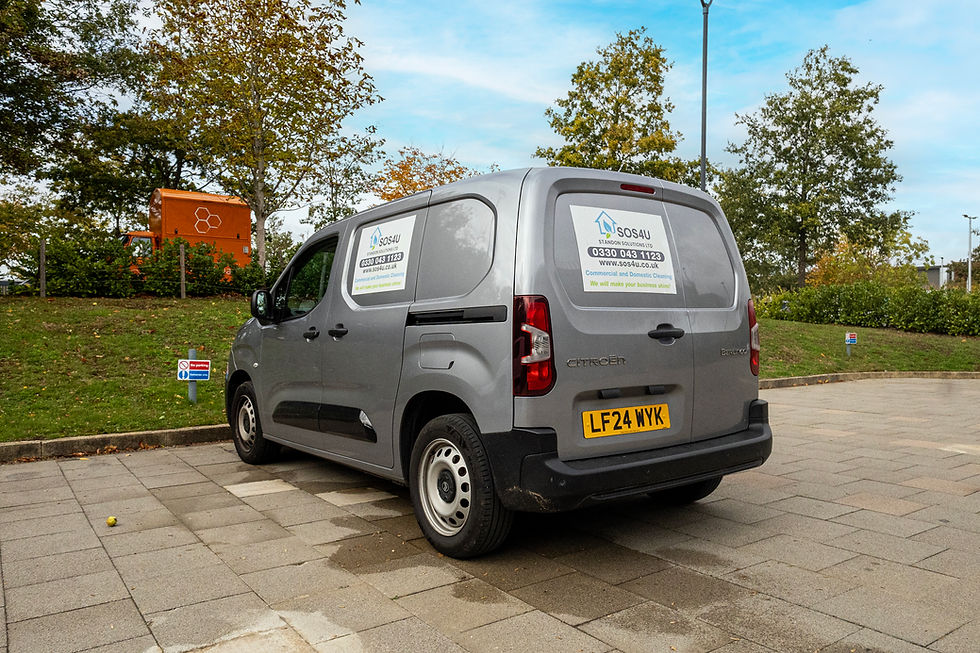
For businesses comparing providers, SOS4U | commercial cleaning services is the kind of operation that should be evaluated on practical strengths rather than broad claims: tailored site understanding, clear service scope, responsible supervision, and the ability to work consistently in demanding environments. Those are the qualities that matter most once the contract is live.
In the end, choosing the right provider is about more than finding someone to clean. It is about selecting industrial cleaning experts who can protect standards, reduce disruption, and support the smooth running of your business over time. When you assess your needs carefully, insist on a proper site survey, ask better questions, and watch for red flags, you put yourself in a far stronger position to choose a service that genuinely fits. That is the difference experienced industrial cleaning experts can make.


Comments